
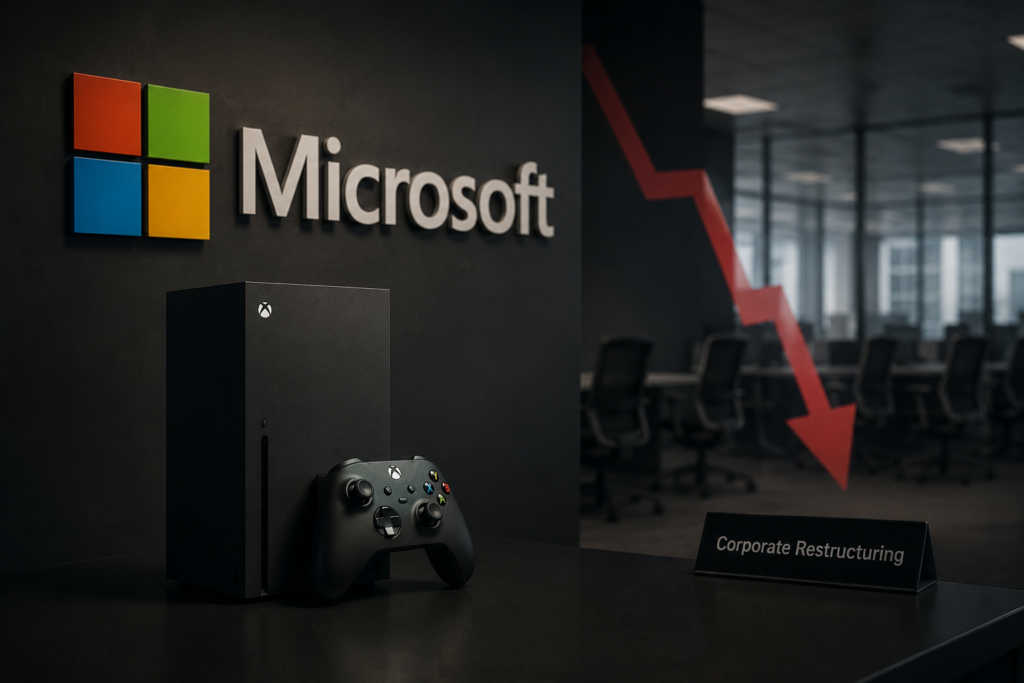
Microsoft layoffs are removing 4,800 jobs from the company. This number equals about 2.1 percent of Microsoft’s entire global workforce. The company shared this news with employees through an internal message on a Monday morning. Amy Coleman, the company’s chief people officer, sent the letter herself.
Microsoft says it wants to align its investment, people, and energy with current business goals. The Xbox gaming division and the commercial sales team face the biggest cuts in this round.
Which Teams Face the Biggest Microsoft Layoffs
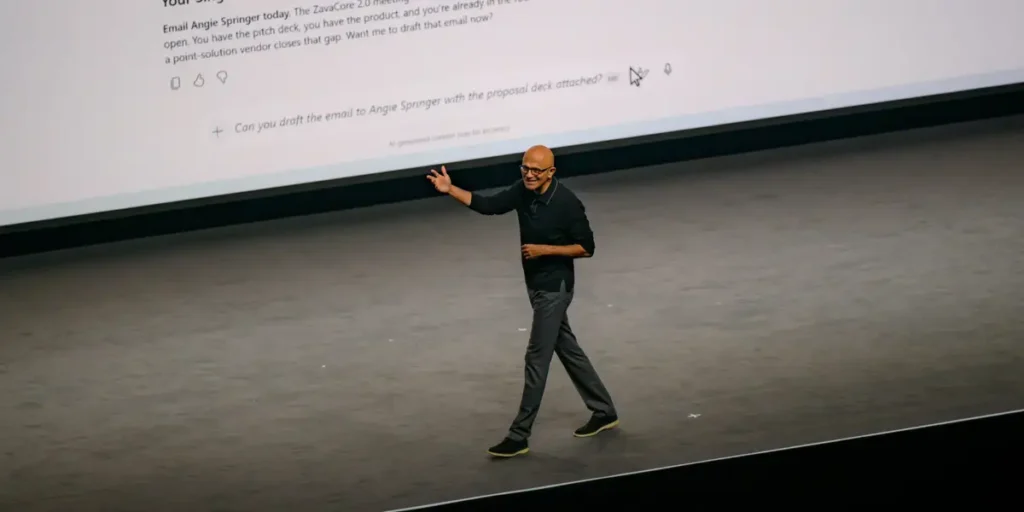
The Xbox unit carries the largest share of these job cuts. Microsoft eliminated about 1,600 roles on the day it made the announcement. The company plans to remove another 3,200 positions over the next fiscal year. Once these changes finish, Xbox will lose close to one fifth of its entire workforce.
Asha Sharma, who leads the gaming division, called this the biggest restructuring in Xbox history. She explained that the gaming business has been running at margins far lower than similar platform and publishing companies. She also said the company lost money on several studio investments.
Microsoft will separate four gaming studios from the company as part of these changes. New management teams will run these studios. This move aims to protect existing projects and intellectual property while operations continue.
The commercial sales division is also changing shape. This team sells Microsoft’s products and services directly to companies. Microsoft wants to place engineering experts closer to customers. The company believes this will help clients adopt new technology faster.
Why Microsoft Made These Layoffs
Microsoft gave several reasons for this decision. The company told employees that AI is not replacing the roles it cut. Instead, some daily tasks can now run through automation. Microsoft wants workers to learn new skills as work continues to change.
Financial pressure likely plays a role too. Microsoft’s stock has dropped sharply this year. It ranks among the weakest performers within the largest technology companies. Investors worry that generative AI tools might reduce the need for traditional enterprise software. Microsoft’s own AI products have not yet delivered the results the company expected.
Heavy spending on AI infrastructure adds more pressure. Microsoft is pouring huge amounts of money into data centers to support cloud and AI services. This spending strains the company’s cash flow. Microsoft also offered a voluntary retirement program earlier this year to thousands of eligible employees in the United States. About 30 percent of them accepted the offer. This reduced the size of the new layoffs.
Xbox hardware and software revenue has also been shrinking. Meanwhile, cloud computing and LinkedIn keep growing. This gap in performance explains why Microsoft chose gaming as a primary target for cost cutting.
What Happens Next After the Microsoft Layoffs

Microsoft executives have not confirmed whether more companywide layoffs will follow this year. However, they hint at a bigger shift in how the company manages its workforce going forward.
Microsoft plans to reskill engineers so they can move into customer facing and AI focused roles. The company is also considering turning voluntary exit programs into a regular practice. This could mean employees may get the choice to leave voluntarily on an ongoing or yearly basis in the future.
The four Xbox studios that Microsoft is spinning off will keep running their current projects. They will now do so under new ownership structures. It remains unclear how these changes will affect player experience and game development timelines.
Final Thoughts
These Microsoft layoffs show how deeply artificial intelligence and market pressure are reshaping the technology industry. Microsoft presents cost cutting as a necessary step. Still, questions remain about how the company will balance future growth with a smaller workforce. Microsoft is expected to share more details in the coming months. This should give a clearer picture of how these changes affect both employees and the company’s overall direction.